
Menu
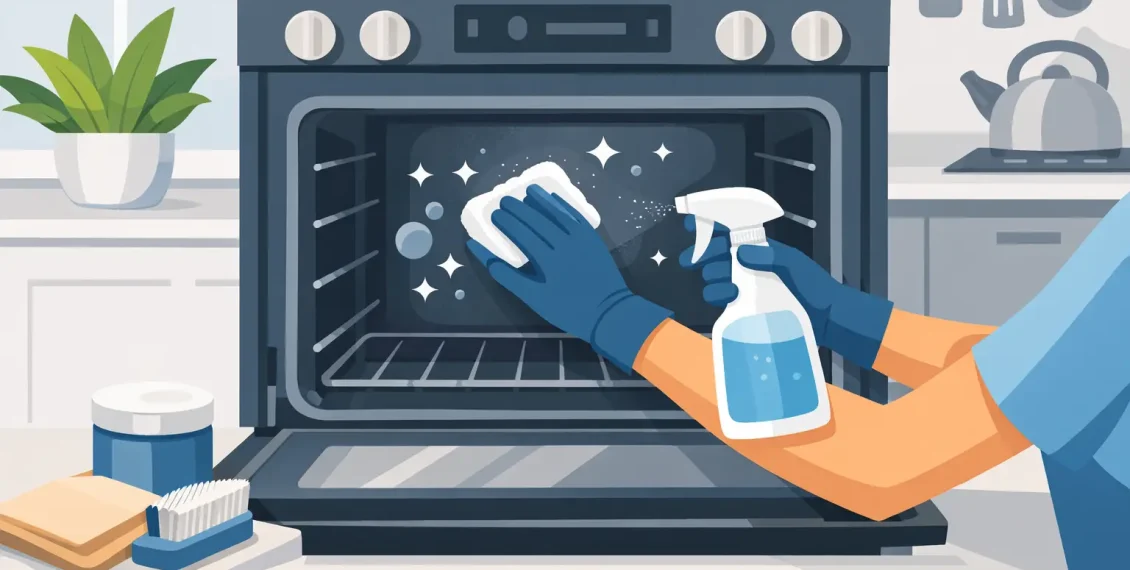
That moment when you open the oven door and catch a fresh splatter turning into tomorrow’s burnt-on mess is exactly why knowing how to clean oven between visits matters. A professional clean gets your appliance back to its best, but a little smart upkeep in between appointments helps protect that finish, cuts down smoke and keeps day-to-day cooking far more pleasant.
The good news is that keeping on top of an oven does not mean scrubbing for hours or using harsh products that leave your kitchen smelling like a chemistry set. In most homes, the best approach is light, regular maintenance. Think of it as preserving the gleam rather than trying to rescue a neglected appliance every few weeks.
The safest way to maintain an oven between professional cleans is to tackle fresh grease and crumbs little and often. Once food has carbonised onto the base, glass or shelves, every cleaning session becomes harder work. If you catch it early, most of the mess lifts away with warm water, a soft cloth and a bit of patience.
Start with the oven fully switched off and cool. Remove loose crumbs from the bottom and around the door edge using a damp cloth or paper towel. This sounds basic, but it makes a real difference. Those tiny bits of food are often what create burnt smells on the next use.
For day-to-day marks, use warm soapy water and a non-scratch cloth or sponge. Wipe the inside of the glass, the oven door surround and any visible drips on the enamel. You are not aiming for a full strip-down clean here. You are simply stopping grease building up layer by layer.
If a mark does not shift straight away, leave a warm damp cloth resting on it for a few minutes before wiping again. That softens the residue without forcing you into aggressive scrubbing. On premium appliances, especially range cookers, AGAs and Everhots, gentle cleaning is the better long-term choice.
Most households do well with a quick wipe once or twice a week, depending on how often they cook. If you roast regularly, cook pizzas directly on trays or have children who are always baking something that bubbles over, you may need to clean little spots more often. The key is frequency, not force.
A simple routine works best. After cooking a meal that creates splashes, wait for the oven to cool until it is safe to touch. Then wipe the door glass, the bottom of the cavity and any obvious drips on the sides. Spend five minutes now and you avoid forty minutes later.
Shelves also deserve attention between visits. If they are only lightly marked, a soak in warm soapy water and a wipe with a soft pad is usually enough. If they are heavily soiled, it is often better to leave the deep restoration to a specialist rather than attacking them with overly abrasive tools that can spoil the finish.
The same applies to the area around the knobs, handle and fascia. These are easy to forget, yet they collect grease from hands and cooking vapour. A gentle wipe keeps the whole appliance looking looked-after, not just the inside.
This is where good intentions can go wrong. Plenty of products promise fast results, but not every cleaner is suitable for every oven. Caustic sprays, harsh scourers and metal tools can do more harm than good, especially on delicate coatings, door glass trims and branded finishes.
If you are wondering how to clean oven between visits safely, the answer is usually to keep things mild. Avoid soaking electrical elements, flooding door seals or using anything sharp to chip away burnt residue. A damaged seal or scratched enamel is far more costly than a stubborn spot.
It also depends on the appliance. A standard built-in oven can tolerate different care from an AGA, Everhot or range cooker with specialist surfaces and components. If you own a premium cooker, always lean towards caution. Light maintenance at home, deeper work by a specialist, is often the right balance.
Strong chemical smells are another sign to pause. Many homeowners want a cleaner oven, but not at the cost of fumes lingering in the kitchen. A fume-free approach is not just more pleasant. For busy family homes, it is often more practical too.
Not every mark will wipe away easily, and that is normal. The trick is to loosen grime rather than fight it dry. Warmth and moisture do more than frantic scrubbing. A bowl of hot water left in a cooled but slightly warm oven for a short while can help soften residue before wiping, though you should always follow your appliance manufacturer’s care guidance.
For burnt-on spots on the glass or base, repeat gentle cleaning over two or three sessions instead of trying to remove everything at once. It takes longer, but it is kinder to the oven. This is especially important if you have paid good money for a quality appliance and want it to stay looking smart.
If grease has started smoking during use, or if the inside feels sticky even after wiping, you may be beyond maintenance mode. That is usually the point where a professional clean gives better results than another round of home remedies. There is no prize for spending your weekend wrestling with residue that needs specialist attention.
The oven door glass is often the first part people notice, and the first part that makes the whole appliance look dirty. A regular wipe with warm soapy water keeps it clearer for longer. If grease is trapped around the edges or between panels, that is normally a job for a trained technician rather than a DIY experiment.
Racks and trays are easier to manage if you never let them reach the point of thick black build-up. Lining trays where appropriate, and dealing with drips after roasting, cuts down the worst of the mess. Just be careful not to block airflow or use liners in ways the manufacturer does not recommend.
Grill pans and side runners can also gather grease quickly. A brief soak and wipe after heavier use can stop them becoming the most dreaded part of the oven. Again, the goal between visits is control, not perfection.
There is a clear difference between maintenance cleaning and a full professional oven clean. If the issue is a few splashes, crumbs and light grease, a quick wipe at home is perfectly sensible. If the oven is smoking, smells burnt every time it heats up, or has grease baked into hidden parts, that is a different job entirely.
Householders often wait too long because they assume the appliance needs replacing or they dread the mess involved in sorting it out. In reality, a specialist clean can restore an oven, range cooker or AGA to a far higher standard than a general wipe-down ever will. It is quicker, cleaner and far less hassle than trying to dismantle parts yourself.
That is particularly true before guests arrive, at end of tenancy, after heavy seasonal cooking or when you simply want the appliance looking right again. A proper clean resets everything. Your job between visits is then much easier.
If you want the simplest answer to how to clean oven between visits, it is this: wipe fresh spills quickly, use gentle products, avoid harsh tools and do not let small messes become big ones. Ten minutes here and there keeps your oven in better condition than one marathon scrub every few months.
For busy homes, a practical plan is to do a light wipe after messy cooking, clean the door glass weekly and check shelves and trays every fortnight. Then book a professional clean when the appliance starts looking tired, cooking smells linger or the build-up is beyond what a cloth and warm water can sensibly handle.
That balance works because it respects both your time and the appliance itself. You keep the kitchen presentable, the oven more pleasant to use and the deeper restoration for when it will make the biggest visible difference.
A well-kept oven does not happen through heroic effort. It comes from small, sensible habits and knowing when to leave the hard work to specialists such as OvenGleamers – so your oven stays closer to gleaming, even between visits.
Self Cleaning Oven Versus Manual: Which Wins?
Heavily Soiled Oven Cleaning Example Explained
Ward Robertson Review Reply
Strip Down or Self Clean Oven: Which Is Best?
Best Ways to Maintain an AGA Properly at Home
How to Clean Cooker Hood Mesh Without the Mess
Oven Cleaning for Landlords Between Tenancies
Best Non Toxic Cooker Cleaning Process at Home
